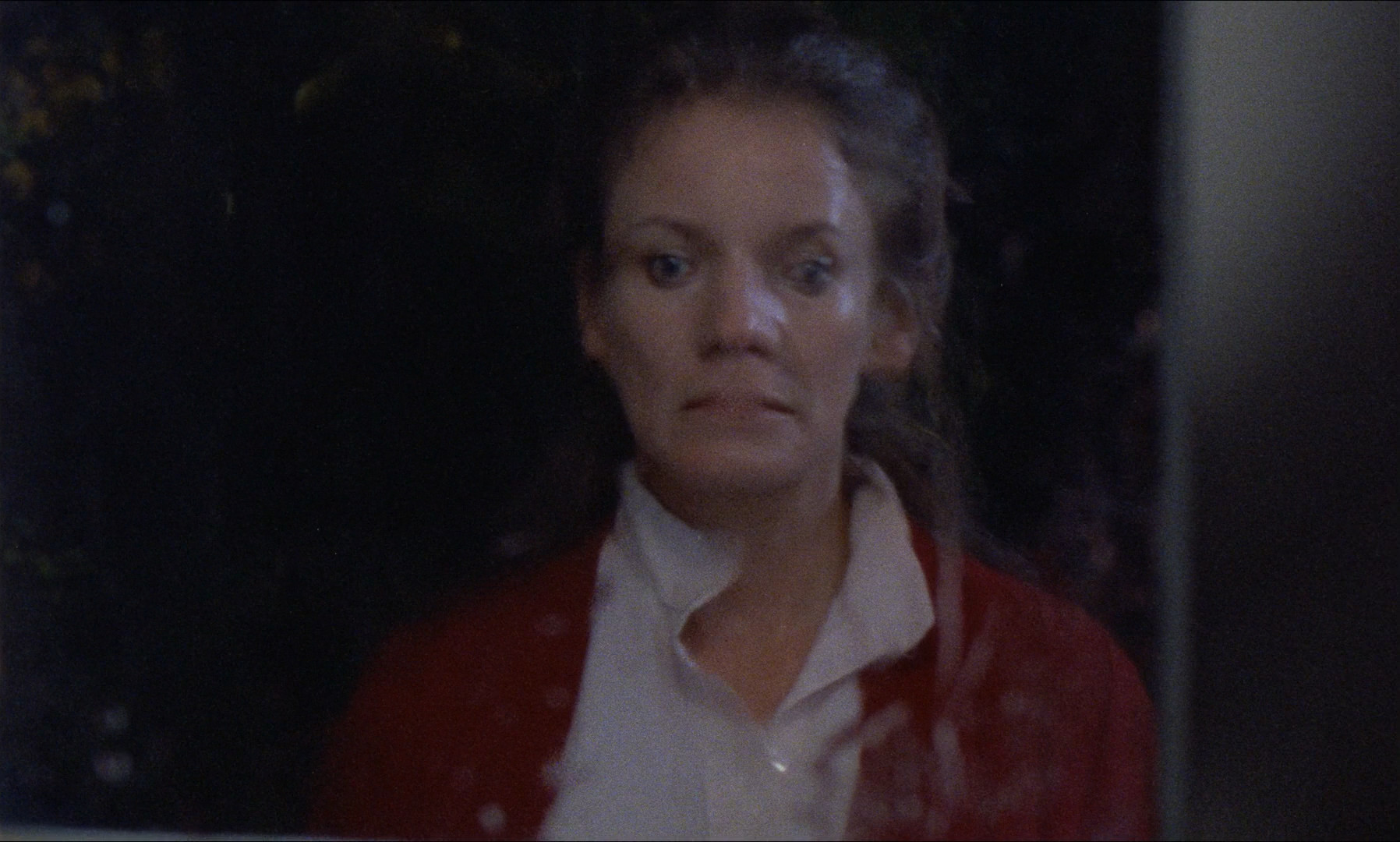
A-(B)-C
00/05/2026
A conversation between Mia Epnr, Nomi Kammerer, Devin Leong, & Abay Sultanbek
00/05/2026
A conversation between Mia Epnr, Nomi Kammerer, Devin Leong, & Abay Sultanbek
Abay: The Roemer films I've seen most recently are Vengeance Is Mine and Dying. This may be because I’ve been dealing with the fear of death lately, with Dying I have begun to view Roemer’s films in the context of death, and the weight that it has on his characters. In Nothing but a Man, Vengeance Is Mine, and of course Pilgrim, Farewell I feel as though he places a great amount of emphasis on the scenes that come closest to death (the suicide attempt in Vengeance Is Mine, the cemetery in Nothing but a Man, many in Pilgrim, Farewell); the faces, movements, and expressions presented in these moments, all remain the images from the films that stick with me most. [Leaves]
Nomi: The subject of death in these films is very complex. It’s a hard thing to invoke, because it’s one of the ultimate questions of these films.
Devin: I don’t really think these films are about death in and of itself.
N: I agree. With The Plot Against Harry, it’s much more a film about living than dying. There’s a constant feeling of dying, that it’s going to occur. You are constantly reminded that death can just happen, it’s overbearing, and then it doesn’t, and it’s resolved in a very comical and farcical way. But within the context of The Plot Against Harry, it makes sense it’s resolved like this.
D: It’s as if death were a reminder of life.
Mia: I don’t think that death in The Plot Against Harry is even a thought in that sense. In Nothing but a Man and The Plot Against Harry, death isn’t as much of a concern.
D: He spent significant amounts of time with people near death when he was making Dying.
M: I don’t think death became a concern until after Dying, and what you are seeing as death, as something that occurs in those early films is a reflection of those later films onto them. Because Nothing but a Man is a very alive film, I don’t think it’s concerned with death. Of course there’s the graveyard sequence at the end, but the graveyard sequence only happens because they’re alive. They walk through the graveyard because they are alive. It’s not so much that there is a threat of death in those films; the threat of death in those films is living in a way that is bad.
D: So what would you say about The Plot Against Harry?
N: It’s interesting because it has a farcical logic, and people react in ways they don’t in Roemer’s other films, they react very strangely to everything. Which is in large part because it is more of a comic film, but it’s also in line with his other films in that people react very suddenly to stimuli. They react very intensely, and then they almost immediately counteract or resolve that sudden reaction. They apologize for reacting suddenly, or they at least reflect on it. This comes to a head in his last two films Pilgrim, Farewell and Vengeance Is Mine.
M: I think that’s what Matheus writes of in Nothing but a Man. He writes something along the lines of Duff is like a superhero.
D: He says he’s seen as a saint, because he so quickly reacts and reflects on what’s done to him and what he’s done.
N: Everyone in these films is going through really extreme stimuli, which obviously becomes a point of interest for Roemer as a writer very early on. They’re constantly reacting in very disparate ways.
M: I feel as though in Vengeance Is Mine that he gets over having a character redeem themselves instantly.
D: Well, in Vengeance Is Mine does anyone really redeem themselves? Jo is where she is at the beginning of the film.
N: I think that Vengeance Is Mine drops the pretense that anyone has to redeem themselves. The ethics have evolved to a point where resolution isn’t the primary concern. In previous films, even in Pilgrim, Farewell, people do things and they get resolved or they start to work through what they just did. Every action and inaction is met with a countering resolve. In Pilgrim, Farewell, where Kate is constantly asking Ann, her sister, to leave, and then, almost immediately, saying something along the lines of “No, please, don’t actually leave”. Ann is constantly reacting in different ways, usually completely silently, compared to a lot of Roemer characters. She doesn’t speak.
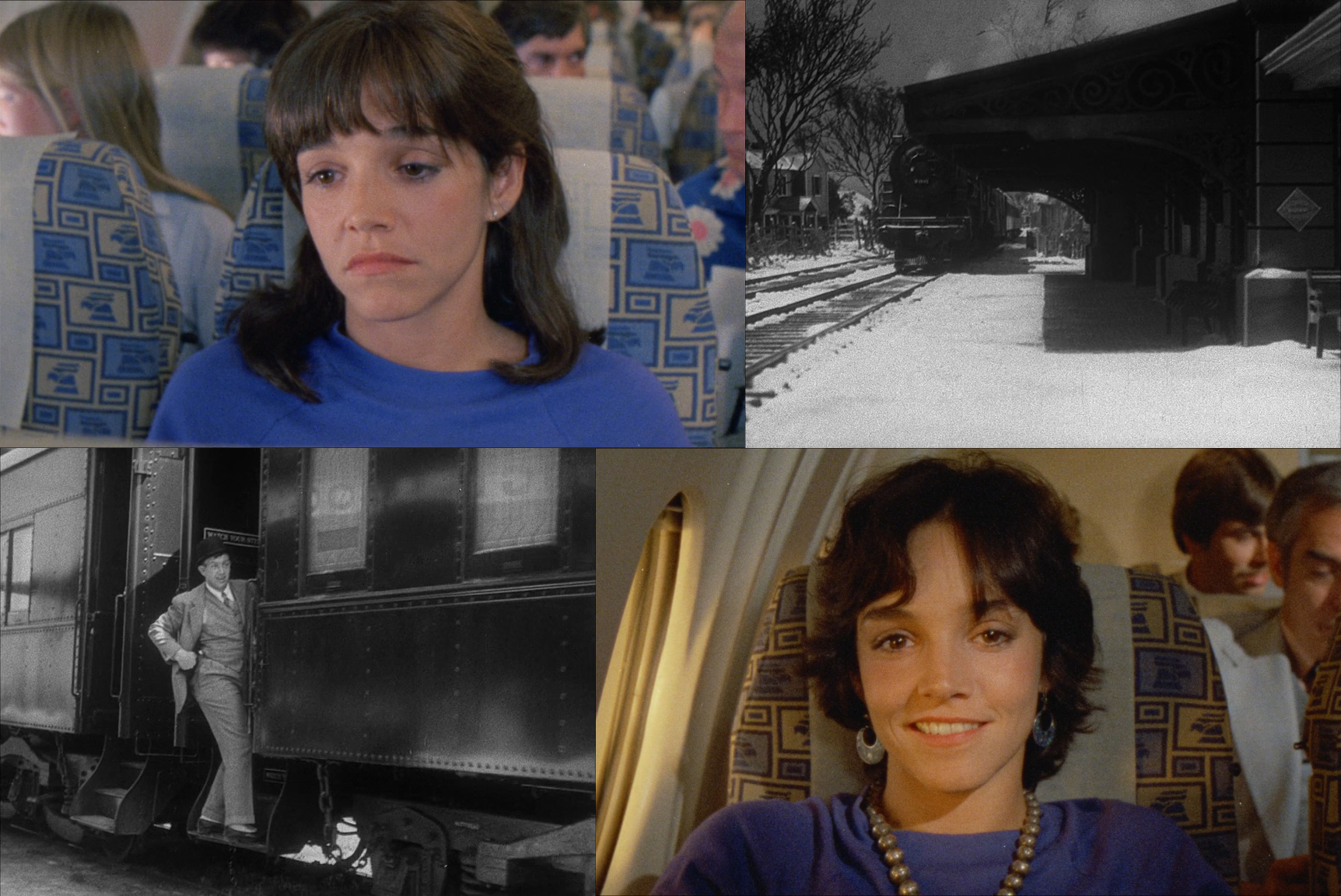
M: The ethics changed when he started filming in colour. There is an unreality to the black or white of Nothing but a Man or The Plot Against Harry. The mise en scène of The Plot Against Harry is very fake-looking. In Nothing but a Man it is sometimes overwhelmingly beautiful in a way that doesn’t make any sense, the beauty is not true to what is happening. And then you get to Dying, and he walks with the pastor in the graves, and there’s the warm light from the sun, and in Vengeance Is Mine there’s the very overwhelmingly warm light at the end of the film. At the start of the film, it’s a much cooler environment, but the plane at the end of the film is very warm, it’s bathed in this warm light.
N: Yeah, it starts in a plane and ends in a plane.
M: It’s like Doctor Bull.
[Laughter]
M: To some extent the color of the light is what caused the ethical transformation between the early films to the late films.
D: You mean using color film?
M: Yeah, the qualities of the colour film allowed his ethics to reach a different place.
D: I would say Nothing but a Man and The Plot Against Harry are shot quite differently. I think in Nothing but a Man you can see the Dreyer influence, mostly in the bar scenes, but the rest is the ‘60s handheld style that was popular.
M: I get the sense that Gertrud is a color film, though. It doesn’t have the same qualities as a black and white film, it’s strange. Gertrud is a film in color—the construction of the ethics in the film does not indicate that it’s black and white the way that we know, through his ethics, that Mizoguchi is in black and white. Gertrud doesn’t have that same quality. It has a sense of colour.
D: I think that it’s just good, intense black and white filming.
N: I feel like I’ve never had the sense of color watching Gertrud, but space is definitely laid out in a way I haven’t seen in any other black and white films.
D: Any other film, really.
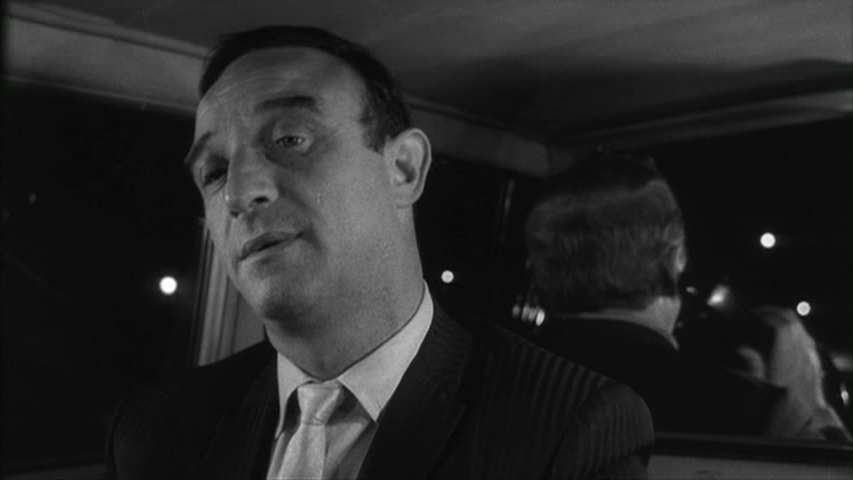
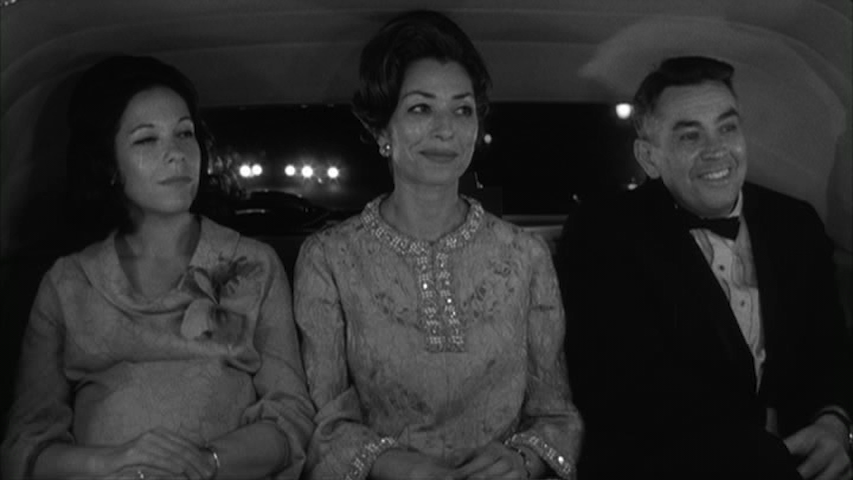
N: There is really such a division between The Plot Against Harry and Dying. But even in Dying, I disagree with Abay, that it’s a film necessarily dedicated to death. It’s in the context of death conceptually, and death becomes a theme.
D: There is obviously the lingering.
N: It’s something that will happen, yeah.
D: You could say threat of terminal illness, but Roemer will never film these people’s deaths. He’s not going to do that. And he knows they’re going to die. It’s a film about the people around them in these moments, which is life. That is the substance of life. I think it’s a bit wrong to say that these are necessarily films about death.
N: Dying is an interesting split because death is viewed very differently. It’s distinct from The Plot Against Harry in that sense, because death is a threat in The Plot Against Harry, and then just goes away, it doesn’t really linger up to a point. You know, Harry just has to live with the context of his life, and in Nothing but a Man Duff has to do the same.
D: Dying is a choice word too, we’re all dying.
N: It’s about the state of being alive and being. All people are inevitably positioned towards death.
M: The arc of Dying and Pilgrim, Farewell is death though. It’s not Nothing but a Man or Vengeance Is Mine, where the characters come out the other side. It’s a different arc to those films where they live at the start and then they live at the end.
N: The treatment of death in Dying and Pilgrim, Farewell is quite different. In Dying Roemer cuts very suddenly from people and we hear that they have died. Obviously, Roemer, like Devin said, isn’t filming people actually dying. He isn’t going to film them dead.
M: Do we not see the pastor dead in bed, or dying in bed? He gets very sick.
D: No.
N: We don’t see his death.
D: You see him dying and then you see his funeral, but you don’t see his death.
M: He has an open casket though, don’t we see him in the casket? At least to the left side of the screen.
D: But not the actual point of death, which is what we’re talking about.
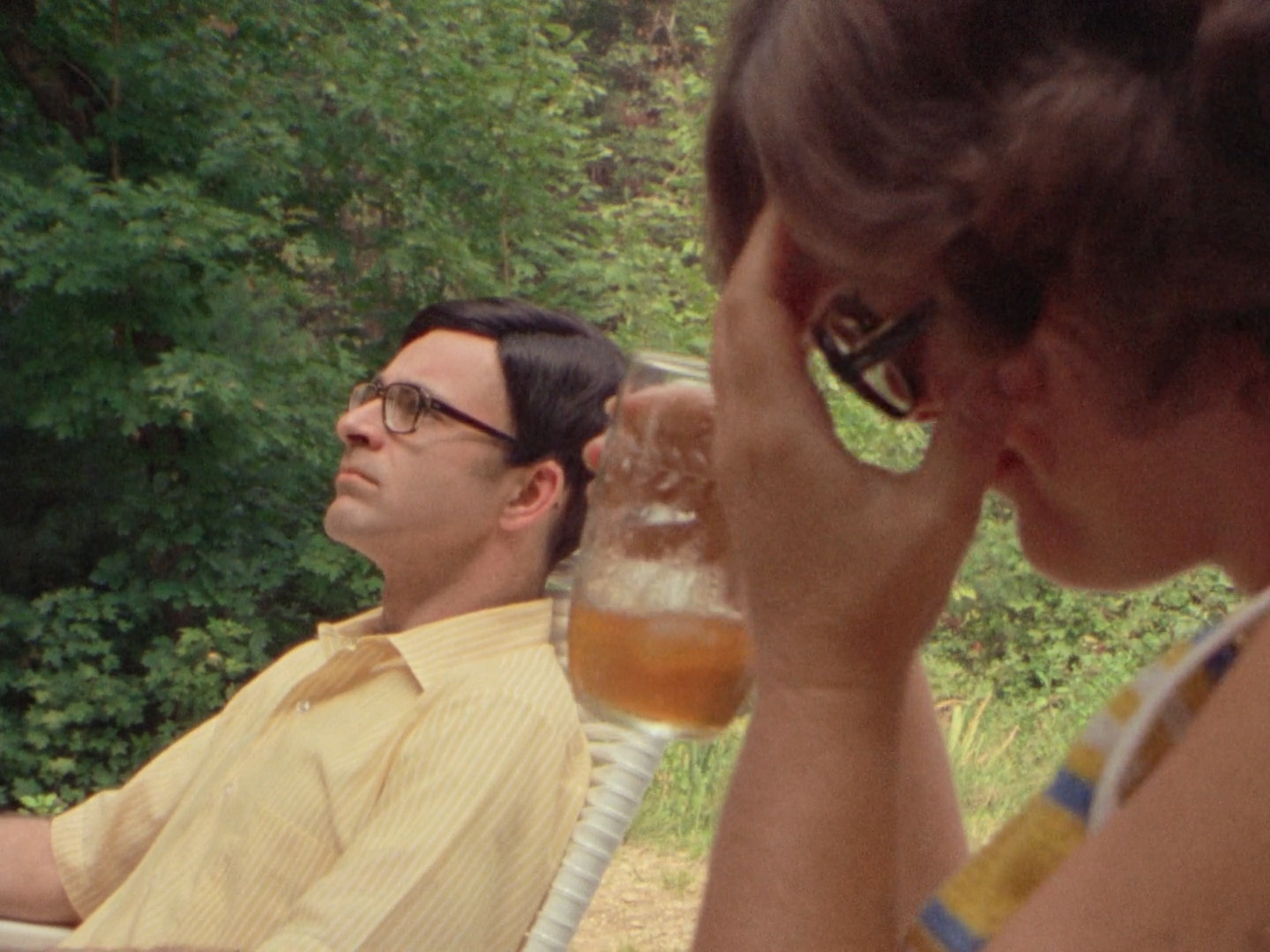
N: It’s interesting that we only see his funeral. The other two segments, Sally’s and Bill’s at the end, we cut very suddenly away from them, a violent cut. At the end of Bill’s segment, Harriet is laughing very suddenly and there isn’t a sense of why she does this, then it cuts and informs us of the day Bill died, and then we leave them.
M: What you say about Vengeance Is Mine, and the ethical concern of the film getting past people needing to redeem themselves. When we see Harriet in Dying, we can see that she is being horrible to the children; I don’t think it’s being moralistic to say that is happening, but Roemer does not put her in any negative regard for that. It’s similar to what you said of Vengeance Is Mine, where the ethical concerns have passed the need for people to be saintly like in Nothing but a Man.
N: That really begins in Dying, which is a necessity when you deal with real people. Pilgrim, Farewell and Vengeance Is Mine operate as if they were working with real people. There’s a sensibility that’s brought to them—the splitting point is Dying, that’s the head it comes to. Morals and ethics are always returned to in Roemer’s films, but it’s never moralistic. At the very least it never signifies how we ought to feel about anyone or anything.
D: This is why, especially with Dying and the choice to only show the service for the preacher, it’s where Roemer’s materialism is betrayed because, in death, all we get is the impact on the community afterwards. Again, with it just showing a date and a name. I don’t know if it's right to say he’s trying not to be sentimental, because I feel as if he’s trying to be sentimental.
N: Sally’s segment, the first, I found very sentimental.
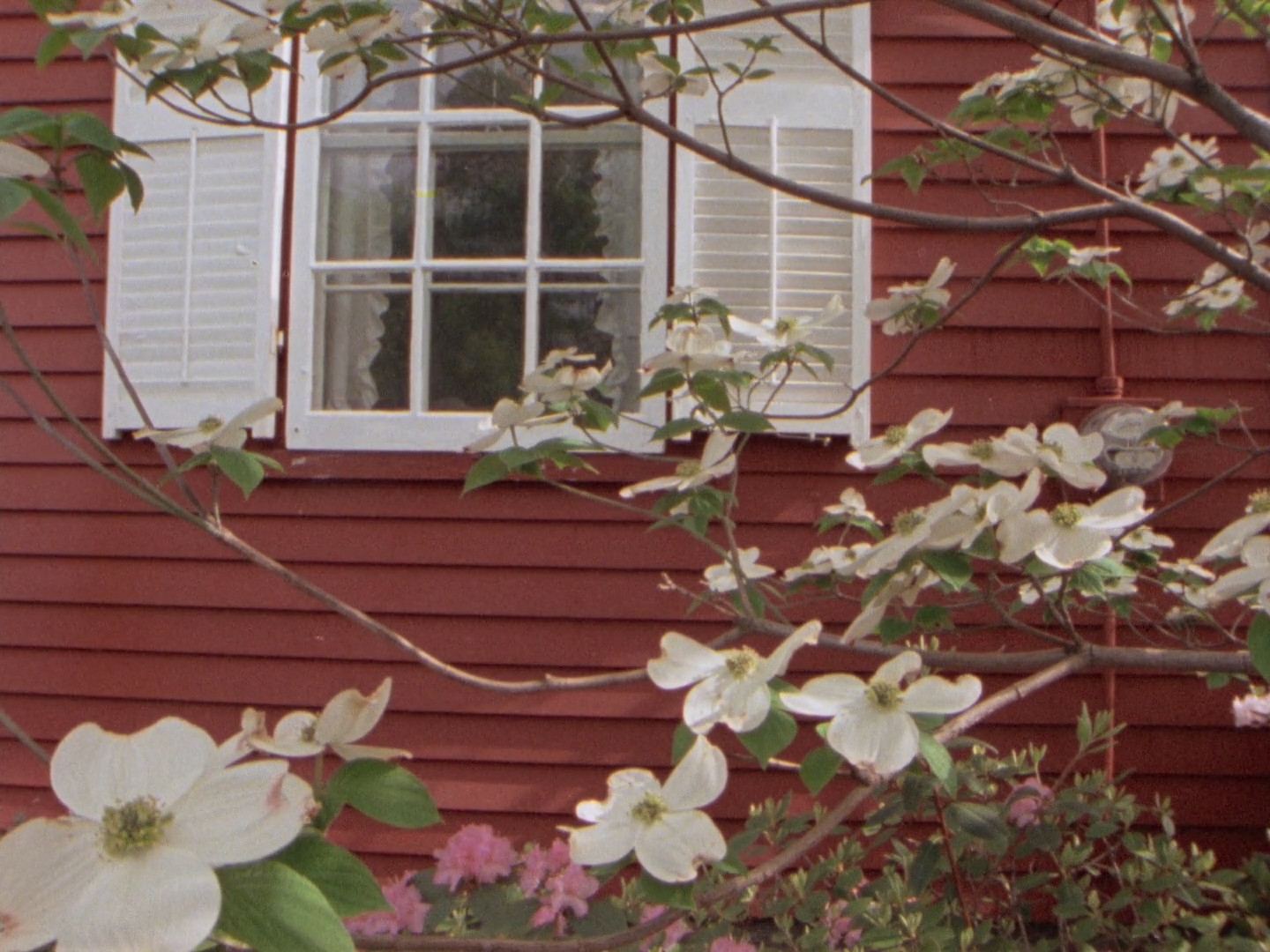
D: Then that wouldn’t be correct, but it is just death, and then how does this point of death— because of how he cuts the service, from a close-up of the casket to a series of close-ups of every individual face as they walk past the casket. We don’t know any of these people, but this is just the being, this is the presence of death, this is what there is now.
M: It’s reminiscent of Rosselini—in the ending of Blaise Pascal, where you see the people walk into the room, the light in the doorway gets blocked, and they walk in and you see the faces of the people walking past Pascal.
D: When comparing it to Blaise Pascal one of them is staged. When we talk about Dying, we are talking about actual deaths. But there is Rosselini in there.
N: He chooses how to frame the light and the flowers in front of people’s windows.
M: Have both of you seen Beaubourg, centre d’art et de culture?
D: No.
M: In that film Rosselini fully enters the crowd. It’s a documentary, and he sees the faces of people walking past the paintings—just people walking, walking around the Beaubourg, looking at the paintings, and he’s fully in the crowd, watching them. That is adjacent to Roemer: he looks at faces. It’s like what Tag Gallagher says of Viva l’Italia!: when they’re inside, you can see the eyes.
D: In Dying and after Dying, the filming of the face as a point that receives reality, because obviously Roemer is very interested, in his very humanistic way, in minute gesture, the very slight facial movements. Because these are such heavy, drastic subjects and experiences, the close-up is—we can see how the situation affects a person's facial expression, it’s the simplest way to depict these emotions materially, it’s the being.
M: There’s something very interesting for this that Rosselini said in 1976: when he was portraying Joseph of Arimathea he wanted to shoot a close-up of his face, and he didn’t because he thought that shooting a close-up would put his opinion in the image. He didn’t want shoot his opinion, state his opinion. It’s interesting how Roemer can avoid it: he shoots a close-up and there is no opinion—in fact, there’s less opinion in his close-ups than there is in his wides.
N: We’re back to Roemer’s lack of moralism, the lack of signification for how we are to react to what these people do, what they say or what they feel, and this is for the real people in Dying and for the fictional people in Pilgrim, Farewell and Vengeance Is Mine. We’re primed by Roemer with a lot of complex things: in Dying especially there is a lot of beauty that we’re primed towards, like in Sally’s segment. It’s a very direct beauty, and this is how it is in all three segments. I think it is interesting, Mia, you brought up Harriet because Bill and Harriet’s segment is as much Bill’s as it is Harriet’s, even though in all of the segments, like in Sally’s, it’s also about her mother, and in Rev. Bryant’s it’s about his entire family, but especially Harriet and Bill’s, I believe Harriet’s name is read first, and it almost does focus on her more, which is distinct.
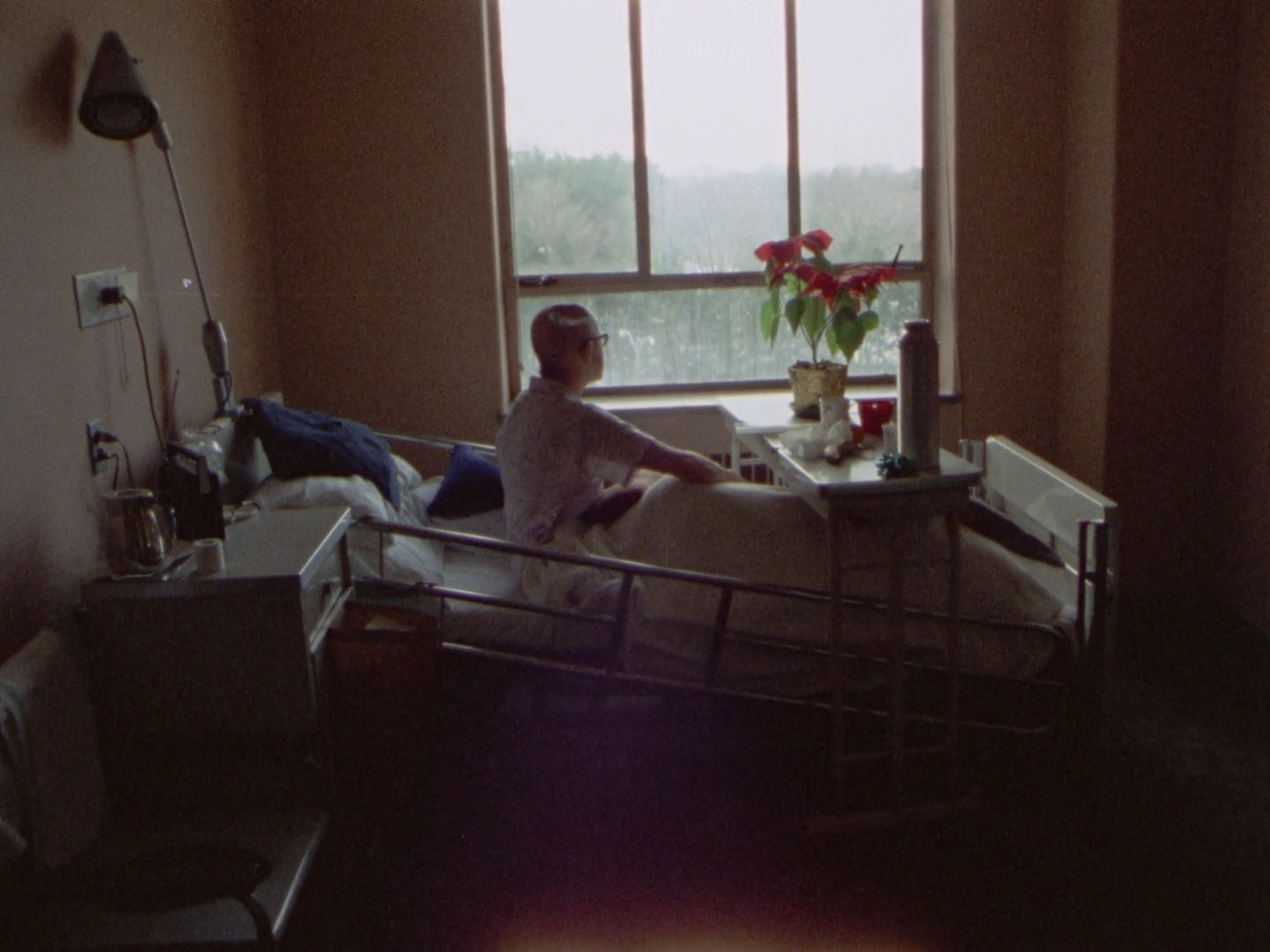
D: At the time of filming, obviously, they’re both alive. He is really treating living subjects with equality. It’s not a preciousness towards the subject of death, just a deep consideration for everyone.
M: He shows his hand in the focus on Harriet. It lets you in. It makes it so plain, because he’s not trying to hide anything. Roemer just shows his whole deck. He pulls his cards out and he throws them at your face and says: “this is it, think about it”.
N: He wants us to think of Harriet as human, he wants us to afford her the same attention that’s given to Bill. A lot of what she says about Bill’s imminent death is really harsh and difficult, but the film doesn’t signify how we ought to react to this, that lack of judgement on the part of Roemer as a filmmaker is a moral necessity. It is also just logical. There is a point where you are primed to empathize with her.
D: Are we going to say that that is because of the basic act of showing someone cry? Because you do see her taking her frustration out on the children.
N: We see her grab a ruler and threaten both of the children, because one of them isn’t getting done with his homework before going to instrument practice
D: You can’t ever fully do this in a movie, but Roemer is trying to get these films towards the whole of death’s place in life—in the world—for everyone?
N: How does it affect life? The fact is that we are all going to die and some of us sooner than others, which is significant. I think a lot comes to a head in Harriet and Bill’s segment, and the fact that it ends with Harriet very suddenly laughing and tearing up.
M: I don’t know if Roemer sees death as part of the whole though. Because in Pilgrim, Farewell once Kate dies, there’s a hole, there’s an emptiness; of course, like there always will be. I don’t know if it’s part of the whole or just something else that people go into.
N: There’s an emptiness but it also resolves a lot. It’s a finality for her, but everyone else just continues forward. We don’t just end with her dying very suddenly, and she does die very suddenly. We see her funeral, we see the poem being read.
D: Doesn’t she die off-screen? We see her get very sick on screen and then we just cut to her funeral.
M: It is a hole, it’s a massive hole in the film. Dying is structured around holes. It’s built around what is lost, people lose their ability to do things. So Dying is built around holes, Pilgrim, Farewell is built up to one hole and then it’s gone, it’s nothing and it comes back in. When there's that jump cut, something is lost.
N: That’s true, but there’s loss—I don’t know if I agree it’s just “loss” in that sense, because there’s a continuation. There’s something beyond the gap, and when we make a jump cut like that, there’s an inference on what has occurred.
M: But it’s just not there anymore. You could say it’s replaced with the space between the frames, but it’s gone, the image is gone.
D: What’s at odds is the physicality of death and the inevitable forward progression of time. I think we should talk about it less in terms of something is lost or something is recognized as part of a whole, but something has changed. I think that’s self-evident enough.
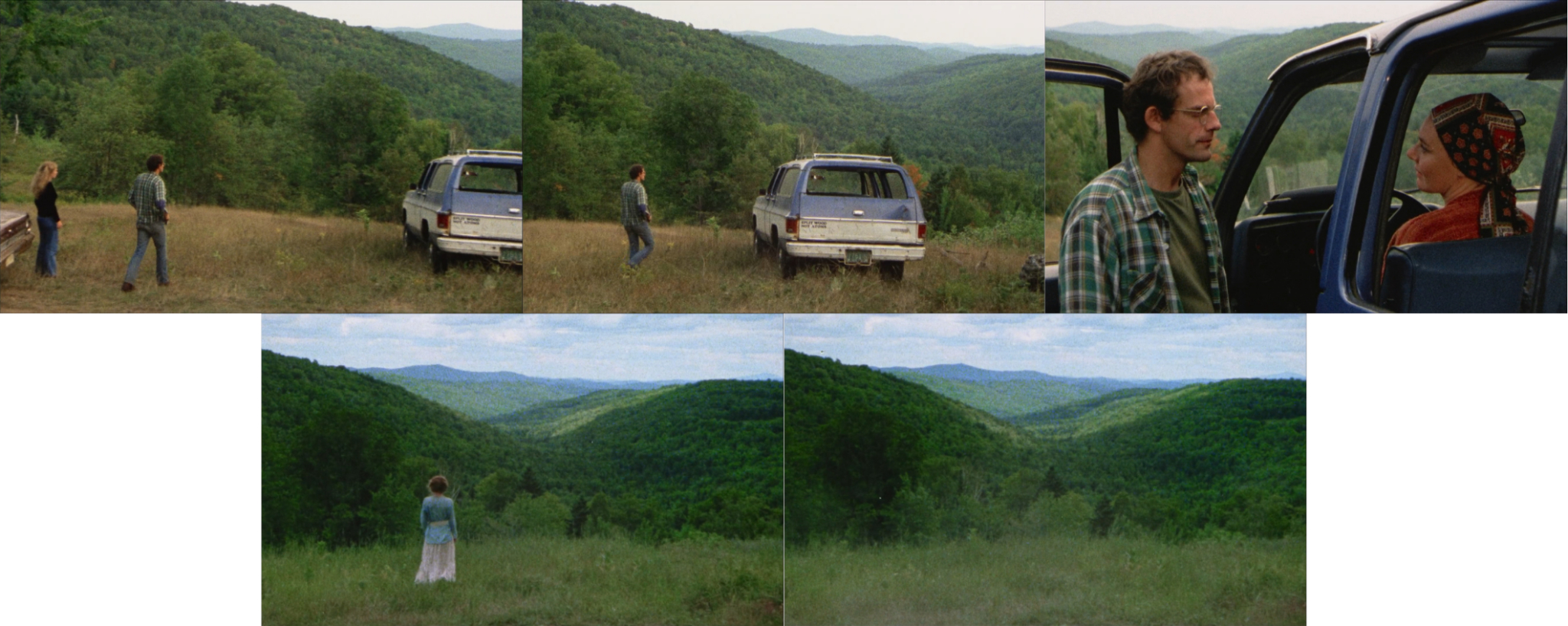
M: There’s one thing that Roemer’s films can’t have in them, which is the permanence of death. When someone dies, they are gone for as long as everyone knew them—they are gone, people will feel how gone they are for a very long time. Which is not possible in Dying, nor in Pilgrim, Farewell—we can’t see Paul in a decade’s time without Kate. We can’t see that, and it can’t be done, unless they skip a decade and take a decade of Paul’s life away, which I don’t think Roemer would be willing to do. You can’t get that sensation, it’s impossible. He could never approach the whole of death so I don’t think he could incorporate it into a whole.
N: Yeah, but we do follow Kate’s daughter for just a brief moment towards the end of Pilgrim, Farewell. We don’t end with the funeral, we follow her out into the woods, she drives to the spot Kate almost killed herself at, but it might just be another part of the woods in that area. It ends with her silently walking at the very end, it ends with life. Also, in Pilgrim, Farewell, I think it’s important to address all the continual return shots to the sides of rocks and the trees and the water and the sky, especially the water, in terms of playing—it will play classical music as it does so.
D: Well, I guess I misspoke. It’s impossible to focus on the whole of anything in a film. It’s inherently elliptical, but would you not say that it’s more death being incorporated into the whole?
M: I don’t think it’s possible.
D: Roemer does not see it as some precious, isolated event.
M: I don’t think he could possibly put an argument in the construction of a film either way. As much as we would like to think that death can be incorporated into life, I don’t think that’s even possible. I don’t think Roemer could possibly make that argument through film.
D: He’s not making an argument, it’s affirming the fact of being.
M: But I don’t think it’s a fact, I don’t think it’s possible to film it because I don’t know if it’s true.
N: Roemer’s films demonstrate that death isn’t necessarily abstract; I think that is true.
M: My own death is abstract to me. Your own death is abstract to yourself.
D: It’s not about the self.
N: We aren’t the people we see in the films.
M: But to incorporate death you have to incorporate the self. When you film a living person it’s easy to incorporate the entirety of living, because living isn’t totally abstract, we know what living is like.
N: We don’t know what living as someone else is like.
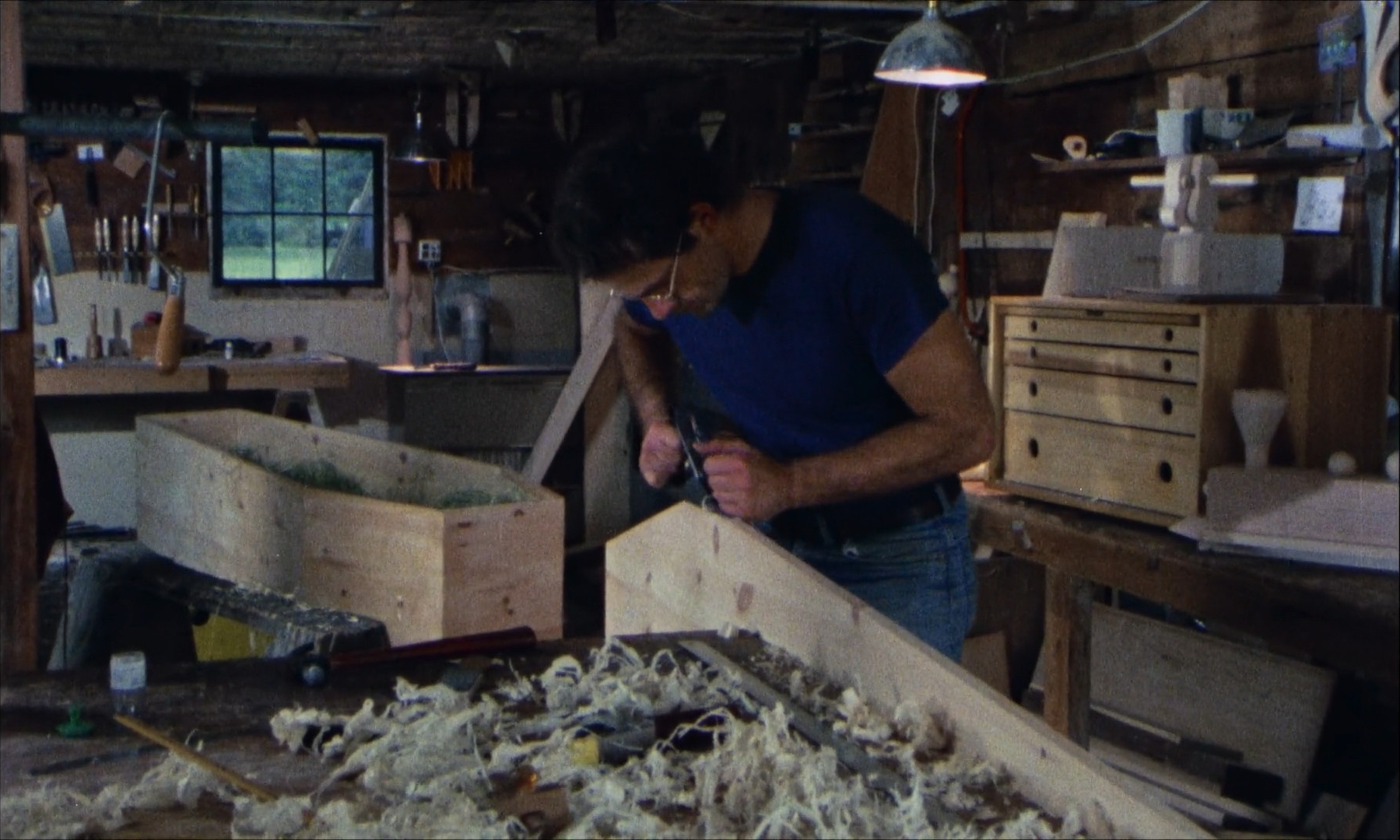
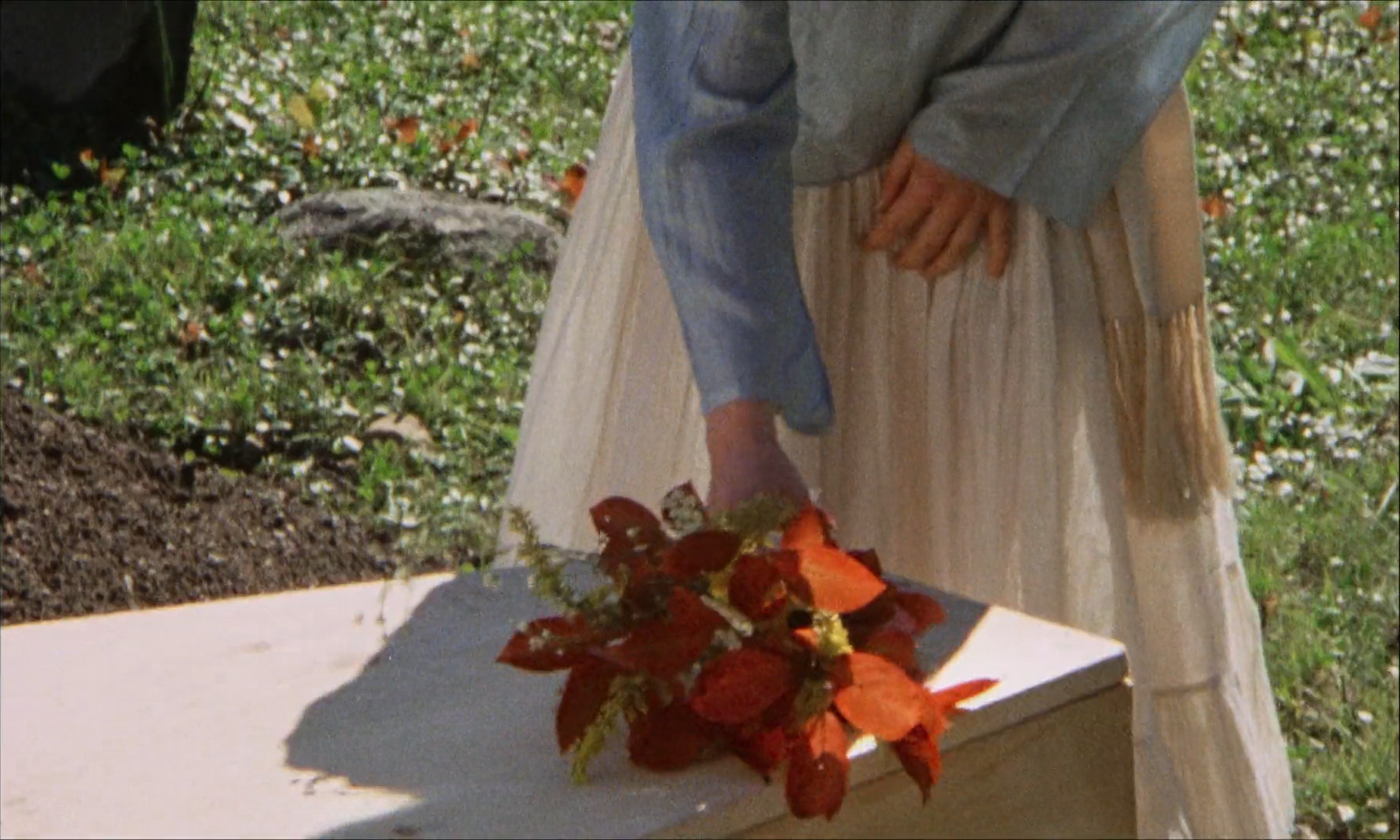
M: We know generally what living is like. Of course, we don’t know exactly the innards of another person’s existence, but we have a palpable sense of what being alive is, so we can see that in other forms of life.
N: An approximation.
M: Yes. Our own deaths are so inherently abstract, that even seeing a corpse doesn’t make sense—when you see a corpse it is not a person anymore. Physically being in the room with a dead body, it is so different and so far away from being alive that I don’t think you could get close to reckoning with consuming death into a whole. I don’t think it’s even feasible, and I don’t think Roemer thinks it’s feasible, he avoids that.
N: To an extent, we don’t get a sense of death as incorporated into the experience of the person, it’s just something that suddenly happens to people within the films. When someone dies they are never alive again, and what defined them consciously is gone. Roemer does recognize that, and recognizes that materially, the point A to point B of being living and then being dead, or maybe A to C, rather—we don’t see people dying. In these films someone is very suddenly living and very suddenly dead, and they are in a new state. It isn’t necessarily synthesized or incorporated into their experience, but it is into the experience of the people around them—being around a person who is alive and then being around a person who isn't. There is a sense that the experience of death is incorporated into the people around death than the people who are dying.
D: Not the whole of life as experience, right? But the material reality around it, what is the actual loss of life’s place in that? It’s like you said with the corpse, the change that we can’t conceive of is what happens inside. We can perceive that this body has ceased all motion forever, and that is what we can incorporate into the whole.
N: We can perceive that change has occurred, where at one point someone is alive and at the next someone is dead.
D: We can perceive the body, and a body could be alive or dead.
M: I think that ties into what you said about A to C and we lose B. What is B in the Roemer films is the act of dying. It’s what he purposefully omits in Dying and Pilgrim, Farewell.
D: Roemer wrote an essay where he talks about Dying, and he talks about the film Dreyer never made about Christ. What Dreyer was going to do was film the cross from the back, because he can’t fake the stigmata, he can’t fake his hand getting impaled, but he can show the nail going through the wood from the back, that’s something he can do. Nothing But a Man— Roemer’s first feature—is the only film in which someone dies on screen. He doesn’t do that again. Duff’s father dies in the car, and then he refuses to do it again.
M: I think we could say that what he was filming wasn't point B, it was something else that gave a false impression of C.
D: We’re both with what you said about death, the experience, that which can never be incorporated into the whole body, but everything around it can, just in talking about bodies and the ceasing of movement. In the same essay Roemer said when you see someone dying in a narrative film you know they’re not dead, but when you see emotion on an actor’s face, they are doing these things… so he is interested in what he can capture as is. He’s not faking it.
N: It’s like what Rivette said on filming dying. How can one film death, something that is very mysterious, very abstract to all the living humans, without feeling like an impostor? And I think Roemer doesn’t lie in his films.
M: He might lie.
N: Roemer is primarily defined against lying.
M: It might be too far to say that he doesn’t lie. We can say that he wants to avoid lying, but we can’t go as far as to say that he never did lie, or that he was defined against lying.
N: I think it may be a primary goal to avoid lying.
M: I don’t think he achieves it.
N: I think it may be impossible to make a film without lying.
D: You omit things when you make a film.
M: That’s what’s so beautiful about Roemer, he doesn’t capitulate to the fact that he must lie. He keeps striving not to, as much as he must.
D: I want to focus on the progression with Vengeance Is Mine, which stands out just in its plotting, and how the screenplay is written. There is that moment when we think that Donna killed herself and killed the child, and then she just appears around the corner like a ghost. I don’t want to say it is the most fable-like Roemer, because I don’t know if you could say that about anything he does, but there is a point reached with Vengeance Is Mine that I don’t really know if I have the answer to.
N: Vengeance Is Mine is much more like a fable, and Roemer does somewhat approach that in Pilgrim, Farewell, but in Vengeance Is Mine everything becomes doubled. We see everything twice: we go to the island twice, we see the plane twice, we see her entering and leaving, we’re on the boat twice, and people will say the same lines to each other, different characters will say the same words, they’ll mirror each other, but they’ll say them in entirely distinct contexts, we see hair being cut twice.
D: With this doubling of actions and locations, I think it is a key goal of Roemer’s project to ask the viewer to not systematize any of these things no matter how important they seem. You can’t ascribe a singular judgement to anything. That’s why he provides such different sections in Dying.
M: The most truthful thing to say is that what Roemer depicts is so clear and so real that it walks into abstraction to us as viewers because it’s impossible to contain all of it.
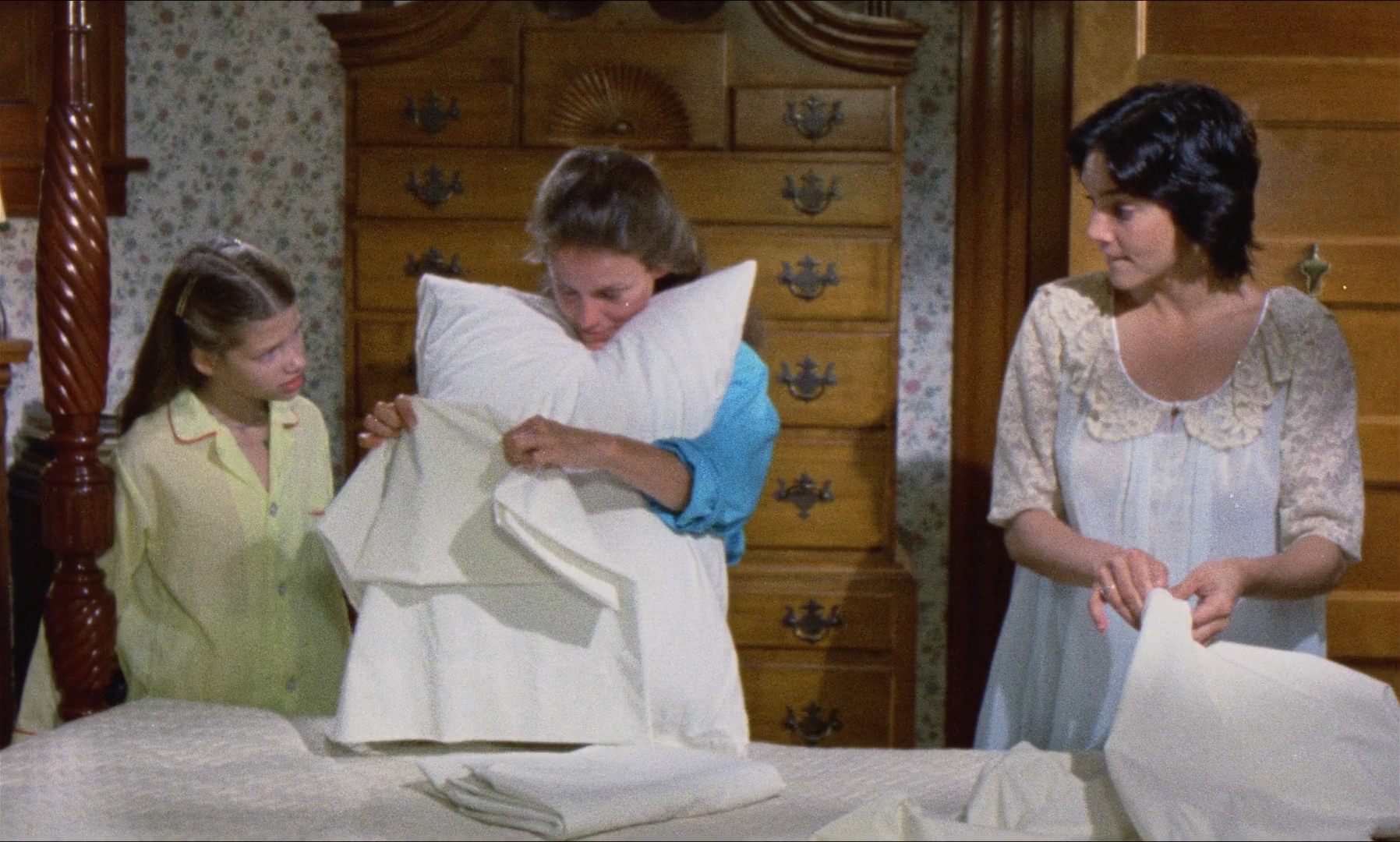
N: Vengeance Is Mine and Pilgrim, Farewell are interesting because people speak the same between both films. They have a style to the way they speak; they speak in poems and rhymes, they say the same words. You can tell all the characters are written by Roemer, it is this sort of fable, yet there’s never the sense that you are watching something unnatural. Even in that, there’s a sense that these are actual lives, and that these are how actual lives happen, even as there’s similarities to the ways Jo and Kate speak—even though they’re in very disparate situations, there’s a likeness. We know Jo more than anyone else, and we’re primed because of that to identify with her or Jackie —the innocent—the most. But even then, with Vengeance Is Mine, there isn’t really a conclusion about how we ought to react, there’s no moral judgements, even of someone like Steve who we only really see in the role of the abuser. We’re not primed to judge him, and we’re really not primed to judge Donna at all, which I think is very significant. We’re not even primed to judge Jo.
D: In this film, Jo returns home and this story happens, and there is no arc of salvation or even an arc of change, really, that is disingenuous because obviously these events will imprint on every single person involved. Do you think Roemer’s asking you to take that as is rather than making it a moral game?
N: We’re primed to consider all of these people, but we’re not primed on how to consider. We’re introduced with very specific dilemmas or actions, like Jo’s decision to tell Donna to kill herself, and then she judges herself, and we do see her judge herself, but we’re not primed to agree with her or her initial decision. Both Donna and Jo suffer abuse, they suffer through their own hardships. The original title—Haunted—can be most obviously extended to Donna, but it applies to Jo too. Jo is coming into a situation where it isn’t her life and she’s invading these people’s lives, and she’s able to leave.
M: M: That separates Vengeance Is Mine from Pilgrim, Farewell and Dying because you can’t die twice. So there are all these reversals and doublings that happen throughout Vengeance Is Mine that would be impossible if Jo or Donna were to die in the film.
N: N: Jo’s mother dies, and in that, Jo begins to see Donna as a surrogate, and she sees Jackie as a surrogate for herself and her youth. She’s haunting her own life in a sense, and resolving what she could not. She’s basically taking this as “I have a chance to change the past, I have a chance to reverse what happened”. We’re left to consider if that’s something you ought to do. Is that something impossible?—the reflections, because we see so many things twice between different characters, but they’re always different. There are always words coming from someone else’s mouth, in a different context. When we go to the island the first time it’s before we get the sense that Donna is as abusive as she is, we don’t really understand the situation, and the second time, Jackie may be dead. We don’t know if she’s dead, and when we go to the island that second time, we get the strong sense that she is dead. Jo believes she is, and we are primed to believe that, or we just don’t know.
D: This is really pertinent because what this does is separate our abstract conception of death from the physical reality of death.
N: Yeah. Because in Vengeance Is Mine, for maybe 20 minutes, the second time we go to the island, death both is and is not. It’s a Schrödinger's cat situation, where we don’t know if death has occurred, and also very specifically the death of a child, the death of Jackie. In a way, Jo’s death.
M: How do you depict death while keeping the material reality of it, but also its abstractness in the same breath? I think to some extent these realisms and abstractions are at odds. The reality of death is separated from the abstraction of it, or the necessarily abstract part of it, which is both a representational challenge and a narrative challenge.
N: I do find that a lot of the moral dictation in Vengeance Is Mine, and in Dying, has to do with gesture and with light, and I think you’ve mentioned this in a prior conversation, Mia. I’d like to invoke it at some point. But for the most part we see everyone in the same light. The light is always very neutral in Roemer: we see everything completely, we see objects very directly.
D: It’s a sort of training for a way of seeing, because it is neutral, but these films are so beautiful. Roemer is asking us to see this neutrality—or at least this is what he’s attempting to do. The question is if he actually succeeds—and be able to accept people as they are, and that being enough. Enough to… this is the direction we’re trying to figure out. This is something you can’t change. This is a truth about the world.
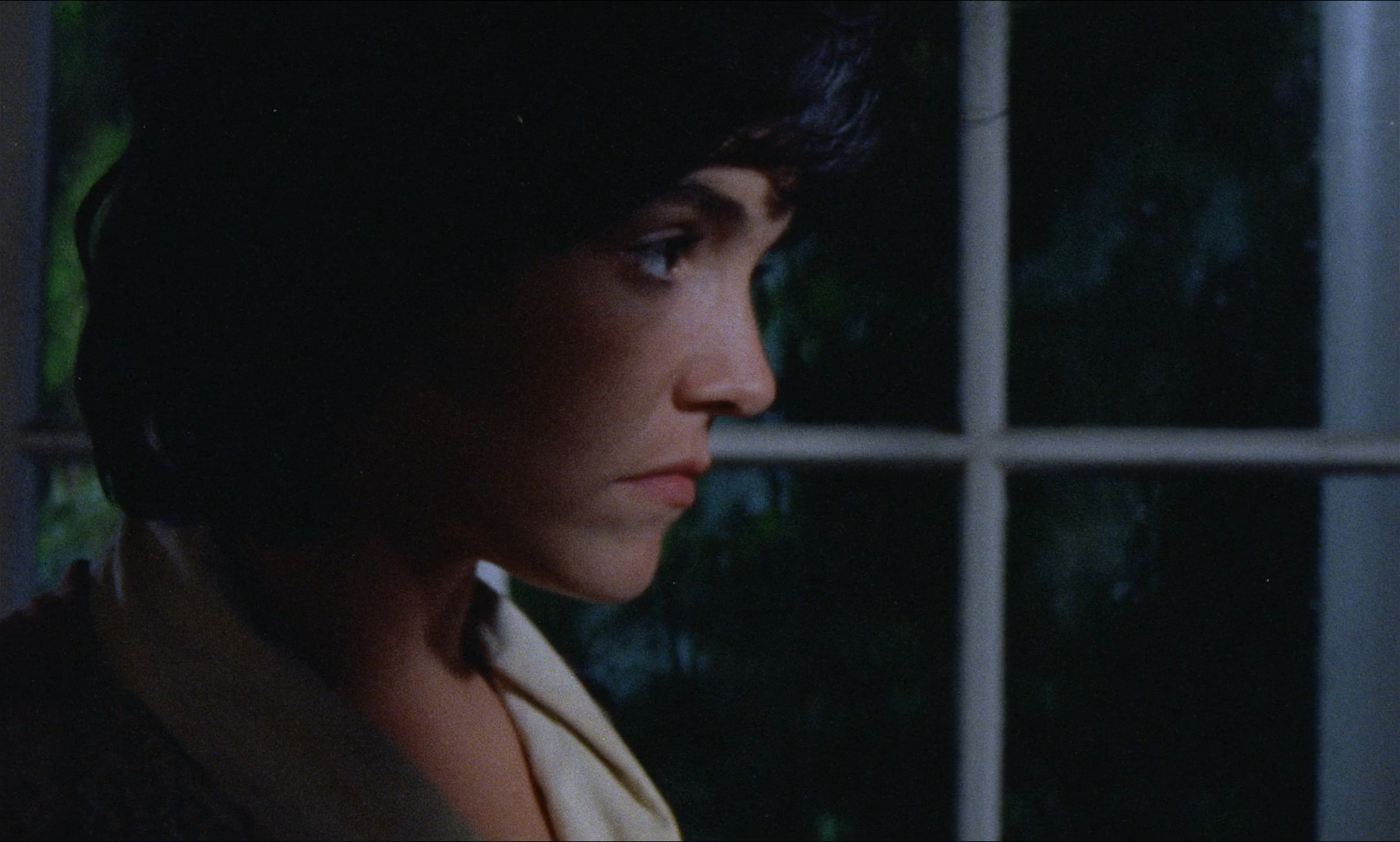
N: The light affects everything the same for the most part, although there are these rare moments in Vengeance Is Mine where—think of the shot where Jo is inside the house and she slips into bed with Tom, and she sees Donna outside the window, a malicious act. She slips into bed with Tom and he’s not aware of this, and then she gets out of bed and she looks at Donna and we see Jo’s face and it’s lit in an incredibly harsh way, it’s like chiaroscuro. Her face is shaded, very three-dimensional, it’s a nighttime scene, so the light’s going to be harsh. There isn’t really anything else like this in the other color Roemer films, everything in the other color Roemer films are lit directly. And then the reverse shot cuts to Donna, and it’s through a window covered in water, and her face is abstracted by this. It looks like a Picasso painting, her face is so distorted that it almost doesn’t look human, her eyes are different proportions and you can’t tell the expression she’s making completely, you get a sense of it, you get an idea of it, but it’s distorted, and then she just leaves.
M: What this brings to mind is obviously Still Light by Robert Beavers, but I don’t know if the abstraction of a face through the means of light or color or lens distortion is abstract in the way death is. I don’t know if it’s fair to say that an image that is not as perfectly representational is an abstraction to this extent.
D: There’s obviously a truth to the shot. We’re getting Jo’s perspective through this window, this is how Donna would look to you if you were looking at her through this window.
M: We have to be clear that it’s not a privation of knowledge—if anything, it’s the opposite of a privation of knowledge. If anything it is an explication of Jo’s knowledge. We see fully, from Jo’s perspective of seeing Donna’s face through the glass. So I push back on the statement that it’s an abstraction.
N: Her face appears superficially abstract. There’s a focus on the physical, material qualities of the light and of the water influencing the light; we take fully what’s affecting her face and modulating her face. We don’t really get a sense of what her face would look like otherwise, we’re made aware of how the light is bent.
D: Perhaps it is an abstraction in the sense of how every individual is abstracted from others and from their surroundings.
M: It's not unlike Dorsky, where you have shots of people through windows. Of course, the lighting in Dorsky is far from neutral, it is always so expressive and detailed in a way that Roemer couldn’t even get close to because it would undermine his moral position. But in The Visitation, there's a shot of Hiler where he’s seen through clear plastic and it’s not an abstraction to see Hiler with this thing in front of him.
D: The reality of it is that he has this thing in front of his face…